Otto Neumann · 26 September 2026
Mapping the Interplay Between Content Delivery Networks and Search Engine Discovery Rates
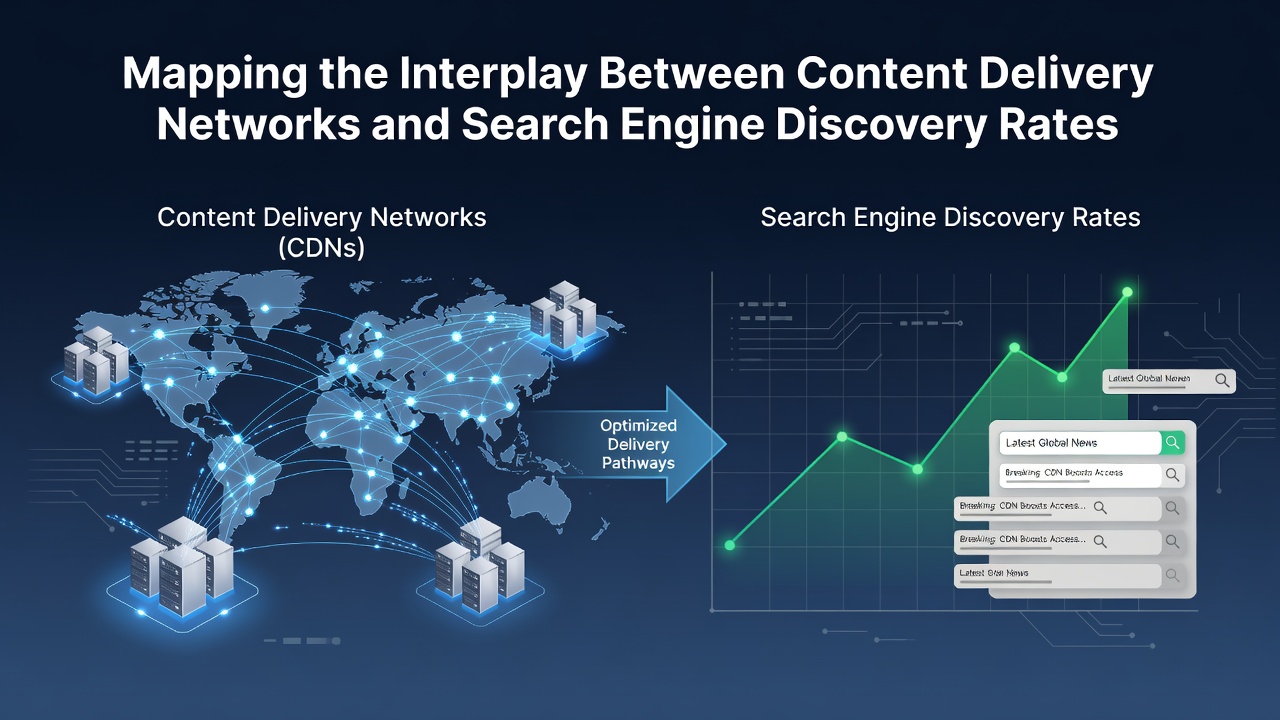
Content delivery networks route website assets through distributed edge servers positioned closer to end users, and this architecture directly influences how search engine crawlers access and index pages. Researchers have documented that reduced latency from edge caching improves response times for automated bots, which in turn affects crawl frequency and discovery rates across large sites. Studies indicate that when origin servers sit behind a CDN layer the initial handshake between crawler and edge node can alter the path data takes, sometimes resulting in faster indexing of static resources while dynamic elements require additional configuration to avoid serving stale versions.
CDN Architecture and Crawler Access Patterns
Edge servers store cached copies of HTML, images, scripts, and stylesheets, so search engine bots often receive responses from the nearest point of presence rather than traveling all the way to the origin. This setup reduces round-trip time, yet it also means that any misconfigured cache headers can cause crawlers to receive outdated content, which delays proper indexing until the cache expires or gets purged. Observers note that geographic distribution of CDN nodes matters because major search engines operate crawler fleets from multiple data centers worldwide, and the node a bot hits depends on its assigned location at the time of the request.
Cache-control directives and surrogate-control headers play a central role in determining whether a crawler sees fresh material or a stored copy. When these headers are set correctly, bots receive consistent signals about content freshness, which supports steady discovery rates. In contrast, overly aggressive caching without proper validation tags can lead to repeated fetches of the same version, reducing the effective crawl budget allocated to a domain.
Effects on Sitemaps, Robots.txt, and Indexation Signals
Sitemaps delivered through a CDN reach crawlers with lower latency, allowing search engines to discover new or updated URLs more rapidly than when they must query an origin server directly. Data from industry reports shows that sites using well-tuned CDNs experience higher submission acceptance rates for sitemap files because response times stay under thresholds that trigger throttling. Robots.txt files also travel through the same delivery layer, and any edge-level blocking rules can inadvertently prevent legitimate crawlers from accessing sections of a site, thereby lowering overall discovery rates.
Canonical tags and hreflang annotations must remain consistent across cached and origin responses. When a CDN serves different versions to different geographic crawler instances without proper synchronization, search engines may interpret the site as having duplicate content clusters, which reduces the authority signals passed to individual pages. Technicians address this by implementing cache-key variations that incorporate these headers so every bot receives the correct signals regardless of which edge node handles the request.
Performance Metrics and Discovery Data
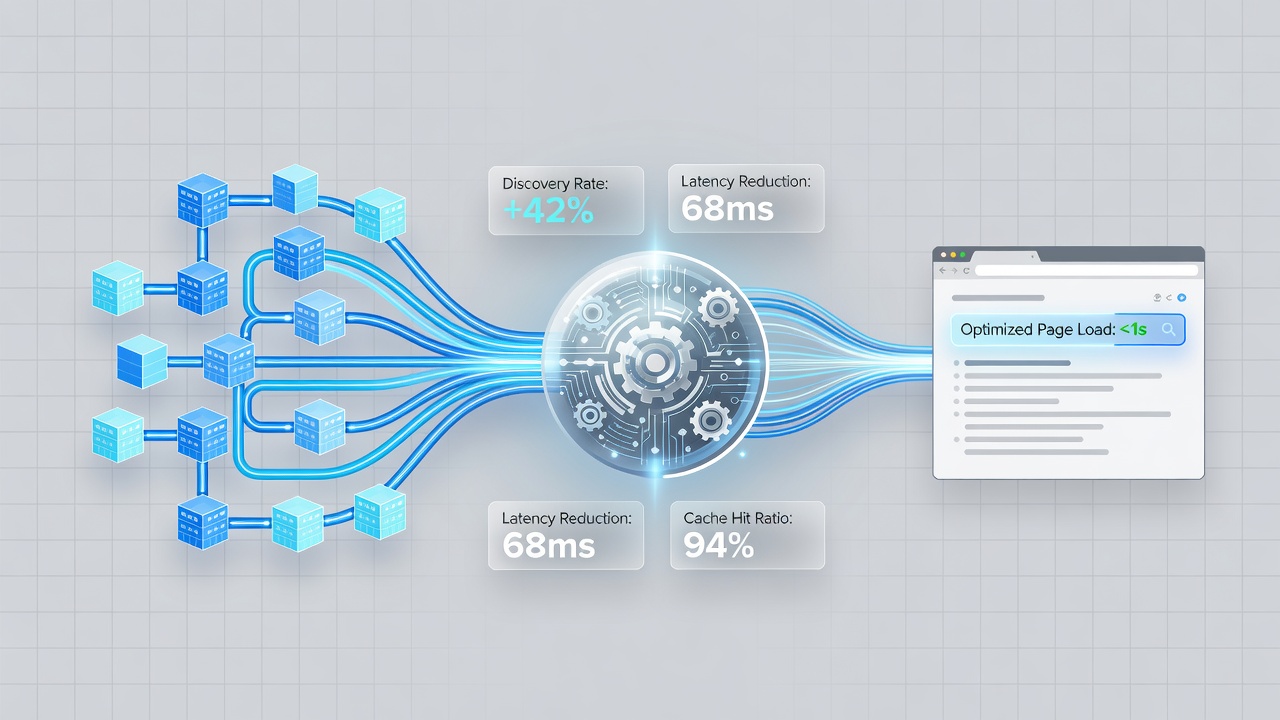
Latency measurements collected by research groups reveal that pages served under 200 milliseconds from edge nodes receive more frequent crawl visits than those requiring longer round trips. According to documentation published by the Internet Society, networks with global points of presence demonstrate measurable improvements in the number of pages indexed per day for high-traffic domains. These gains appear most clearly on sites with large media libraries, where image and video files cached at the edge free up origin capacity for HTML responses that search engines prioritize during discovery.
Turnaround times for DNS resolution also factor into the equation because many CDNs provide anycast routing that directs bots to optimal nodes automatically. When DNS responses include short time-to-live values, crawlers re-resolve hostnames more often, which can expose them to updated edge mappings and maintain steady discovery momentum. Figures released by academic research teams indicate that domains leveraging anycast configurations record fewer timeout errors during large-scale crawling campaigns compared with single-origin setups.
Configuration Practices That Influence Outcomes
Purge APIs allow site operators to invalidate cached objects across the network within seconds, ensuring that newly published content reaches search engine bots without waiting for natural expiration. Those who monitor crawl logs alongside CDN analytics can correlate purge events with subsequent increases in indexing activity, confirming that timely cache clearing supports higher discovery rates. Header manipulation at the edge further refines behavior by injecting or rewriting directives that affect how bots interpret content type and freshness.
Origin shielding, sometimes called origin protection, funnels all traffic through a limited set of edge nodes before it reaches the source server. This practice reduces load on the origin during intensive crawling periods, yet it requires careful tuning of connection limits so that legitimate search engine requests do not get queued or dropped. Data collected from enterprise deployments shows that balanced shielding configurations maintain consistent discovery rates even when crawler volume spikes.
Conclusion
The relationship between content delivery networks and search engine discovery rates rests on technical factors including cache policies, header consistency, geographic node placement, and response latency. Researchers continue to track how adjustments at the edge layer translate into measurable changes in crawl frequency and indexing volume. Site administrators who align CDN settings with documented crawler requirements observe stable or improved discovery patterns across their domains, while those who overlook these interactions encounter delays that affect visibility in search results. Ongoing monitoring of both CDN performance logs and search engine crawl reports provides the data needed to maintain alignment between delivery infrastructure and indexing expectations.